Widely spread across Utah. Control efforts focus on reducing or eliminating new or expanding populations.
Quick Facts
Report your sighting through EDDMapS to help us track and respond to new infestations.
Report on EDDMapSRussian Knapweed
Acroptilon repens
Overview
Russian knapweed is one of the most difficult invasive plants to control due to its deep, extensive root system. It is toxic to horses, causing a fatal neurological condition. It produces allelopathic chemicals and can form permanent monocultures that are nearly impossible to eradicate.
How to Identify
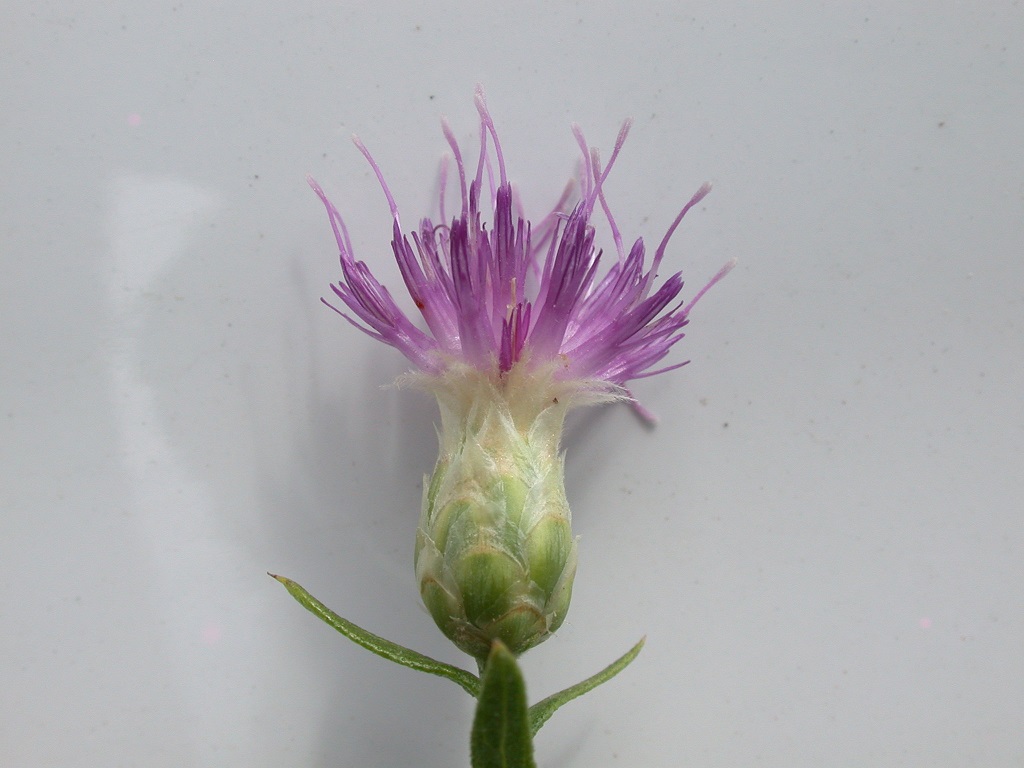
Perennial 1-3 feet tall. Pink to lavender thistle-like flowers. Deeply lobed lower leaves, smaller upper leaves. Spreads aggressively by creeping roots. Roots can extend 20+ feet deep.
Control Methods
Long-term integrated management is required. Combination of herbicide, biological control, and competitive seeding. No single treatment is effective - requires multi-year commitment.
Herbicide Recommendations
Picloram, clopyralid, or imazapic. Multiple treatments over many years are required. Biological control (Jaapiella gall midge) is available.
⚠️ Always read and follow pesticide label directions. Contact your county weed superintendent for site-specific recommendations. Permits may be required near water.
Need help managing this weed?
Skyline CWMA can connect you with technical assistance, cost-share programs, and licensed contractors for treatment on your property.