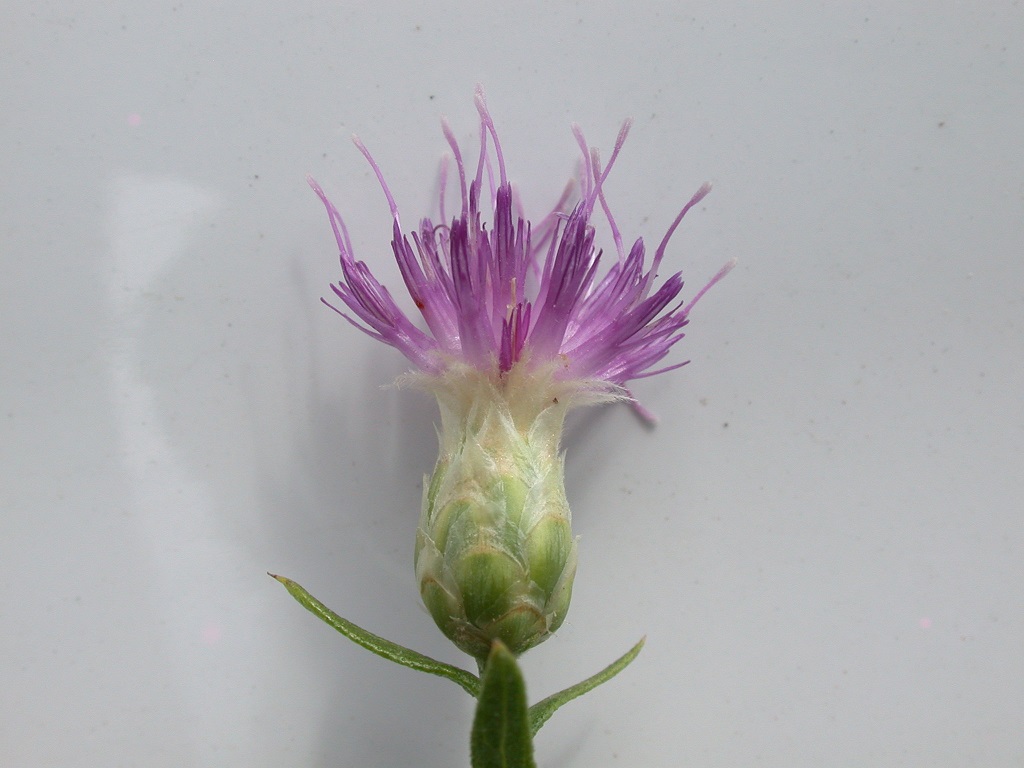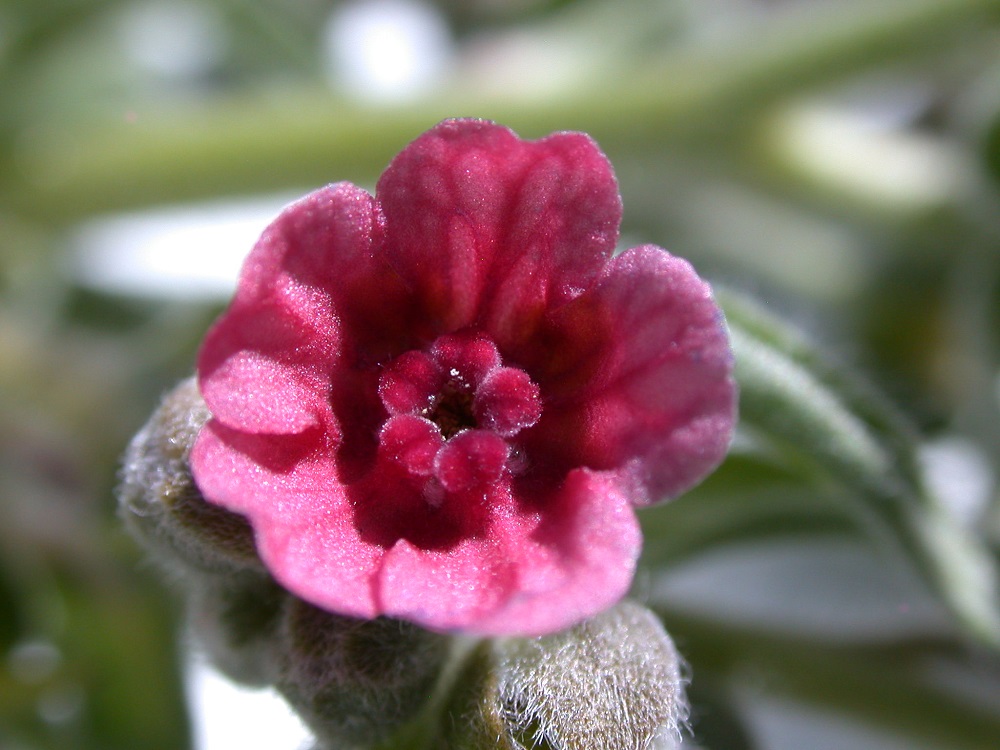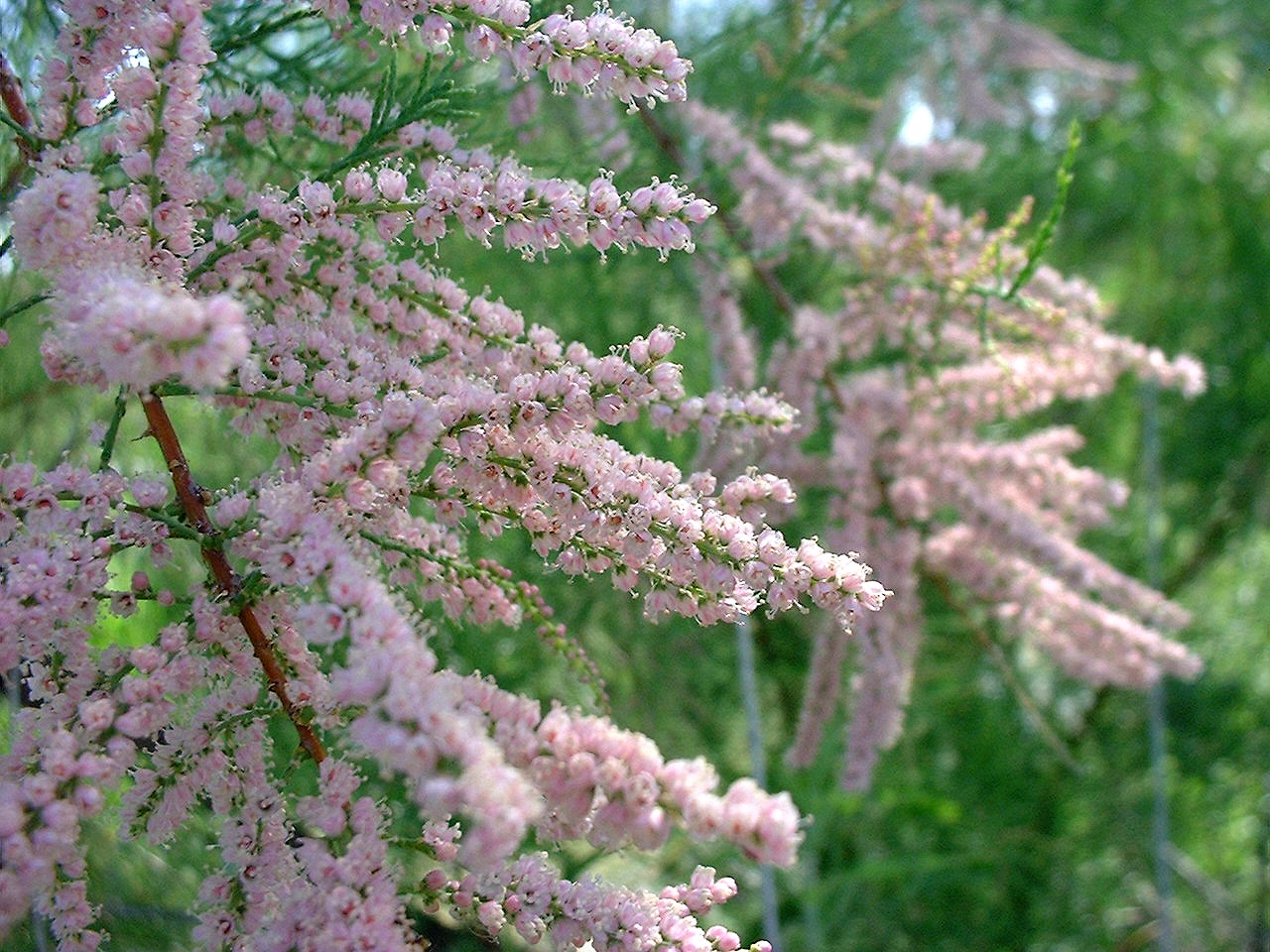
Widely spread across Utah. Control efforts focus on reducing or eliminating new or expanding populations.
Quick Facts
Report your sighting through EDDMapS to help us track and respond to new infestations.
Report on EDDMapSPhragmites (Common Reed)
Phragmites australis ssp.
Overview
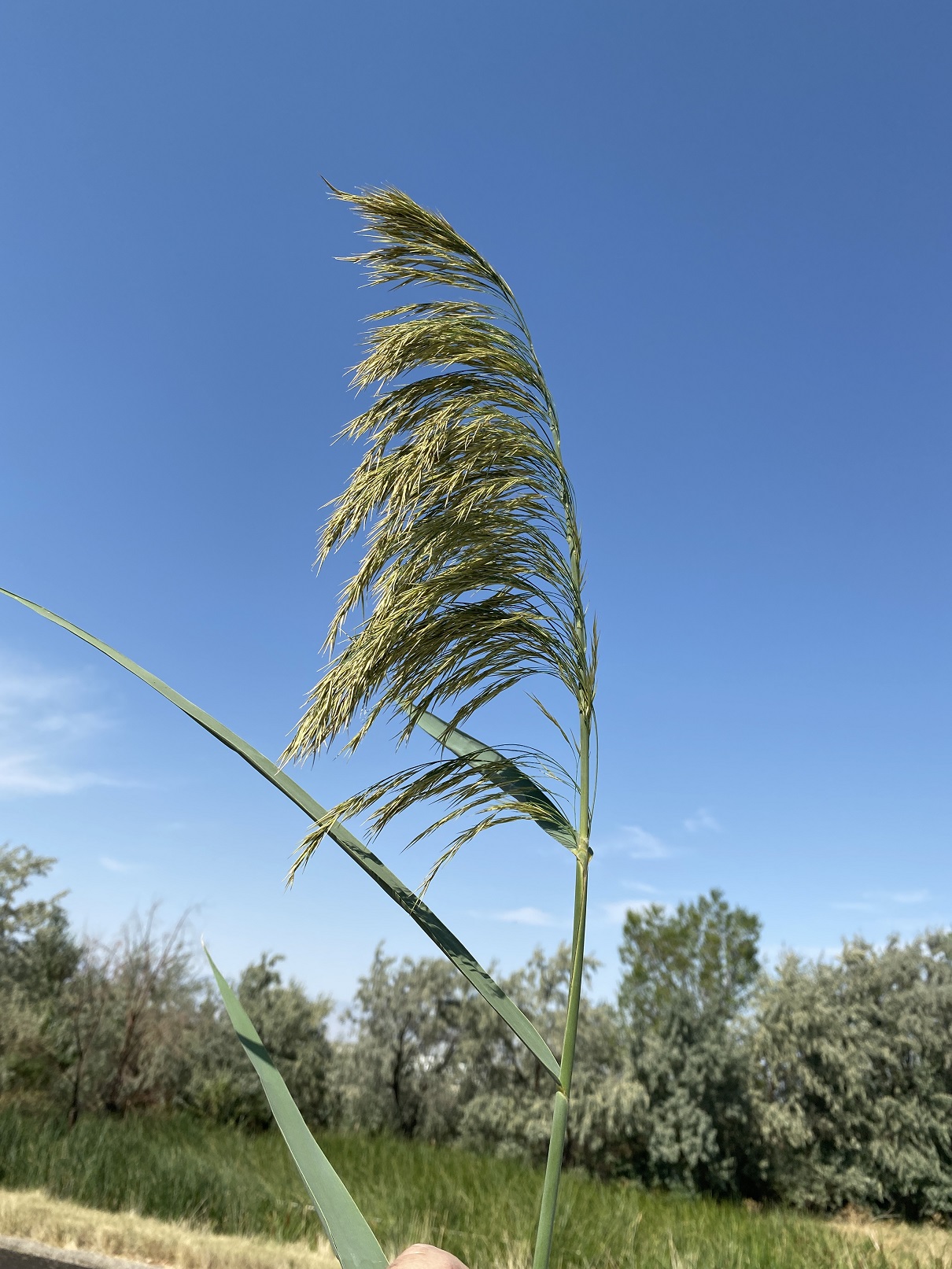
The invasive subspecies of common reed forms dense monocultures in wetlands and riparian areas, displacing native vegetation and reducing wildlife habitat. It can grow 15+ feet tall and spreads aggressively by rhizomes. Invasive phragmites is distinct from the native subspecies.
How to Identify
Tall grass 10-15+ feet tall with large, feathery seed heads. Broad, flat leaves 1-2 inches wide. Hollow stems. Spreads by rhizomes forming large, dense colonies. Invasive subspecies has smooth stems and gray-green leaves.
Control Methods
Herbicide treatment combined with mowing or burning is most effective. Timing is critical - treat in late summer/early fall. Multiple treatments over several years are required.
Herbicide Recommendations
Imazapyr or glyphosate applied in late summer/fall. Requires permits near water. Contact UDAF for current phragmites mapping data needs.
⚠️ Always read and follow pesticide label directions. Contact your county weed superintendent for site-specific recommendations. Permits may be required near water.
Need help managing this weed?
Skyline CWMA can connect you with technical assistance, cost-share programs, and licensed contractors for treatment on your property.