Widely distributed but controllable. High priority for control or eradication where possible.
Quick Facts
Report your sighting through EDDMapS to help us track and respond to new infestations.
Report on EDDMapSMedusahead
Taeniatherum caput-medusae
Overview
Medusahead is an annual grass from Eurasia that is one of the most problematic invasive grasses in western rangelands. Its high silica content makes it unpalatable to livestock and wildlife. It builds up a thick thatch layer that inhibits native plant establishment and increases fire risk.
How to Identify
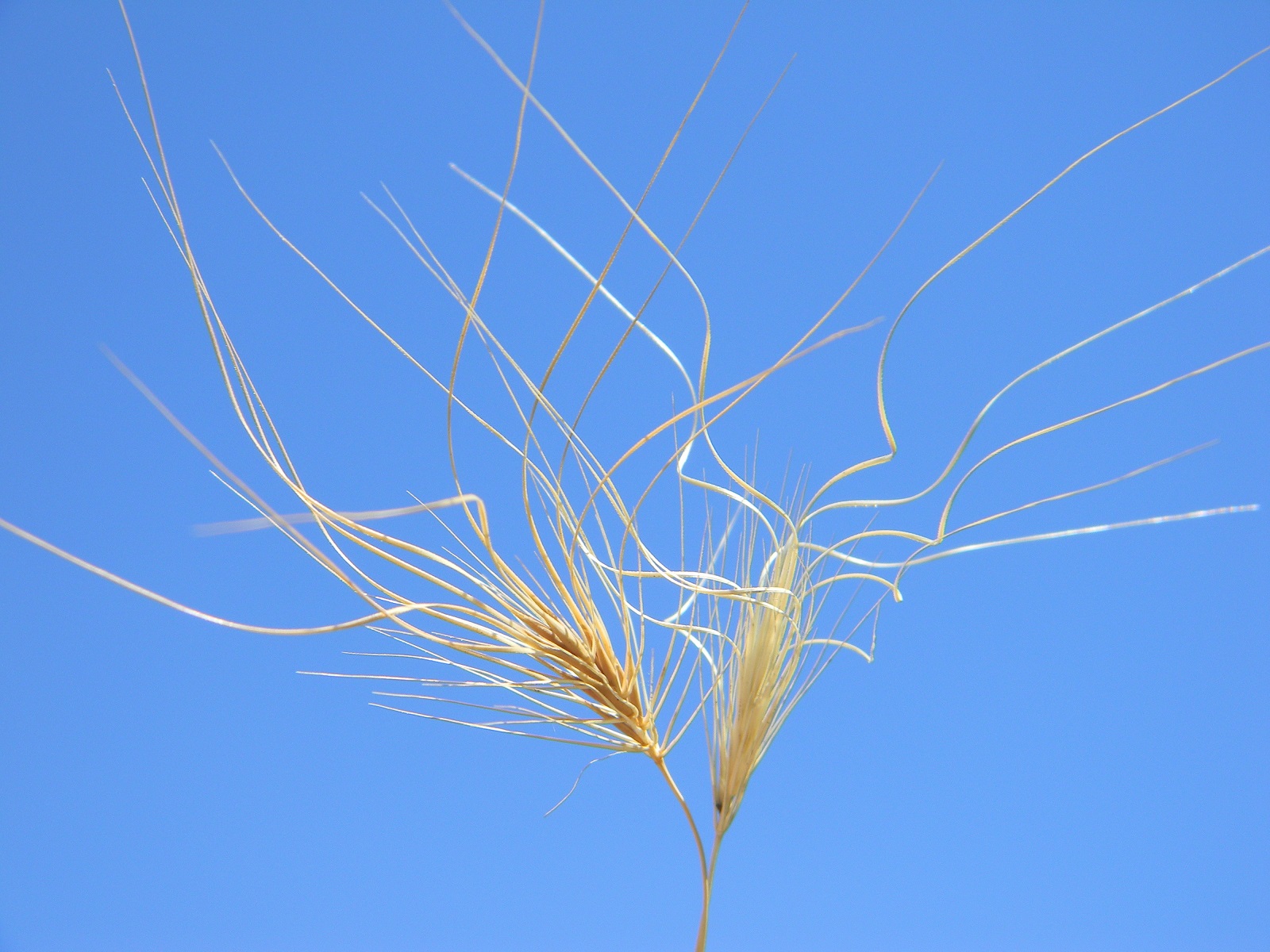
Annual grass 6-18 inches tall. Distinctive long, twisted awns (up to 3 inches) that give the seed head a medusa-like appearance. Leaves are flat and narrow. Turns tan/straw-colored when mature.
Control Methods
Prevention is critical - avoid spreading seed on equipment. Imazapic herbicide is most effective. Competitive seeding with desirable grasses after treatment.
Herbicide Recommendations
Imazapic applied in fall or early spring. Competitive seeding with native or desirable grasses is essential after treatment.
⚠️ Always read and follow pesticide label directions. Contact your county weed superintendent for site-specific recommendations. Permits may be required near water.
Need help managing this weed?
Skyline CWMA can connect you with technical assistance, cost-share programs, and licensed contractors for treatment on your property.