
Limited distribution in Utah. High priority to eradicate all known populations and prevent new ones.
Quick Facts
Report your sighting through EDDMapS to help us track and respond to new infestations.
Report on EDDMapSGarlic Mustard
Alliaria petiolata
Overview
Garlic mustard is a biennial herb that invades forest understories, riparian areas, and disturbed habitats. It produces allelopathic chemicals that inhibit the growth of native plants and mycorrhizal fungi. A single plant can produce hundreds of seeds that remain viable for years.
How to Identify
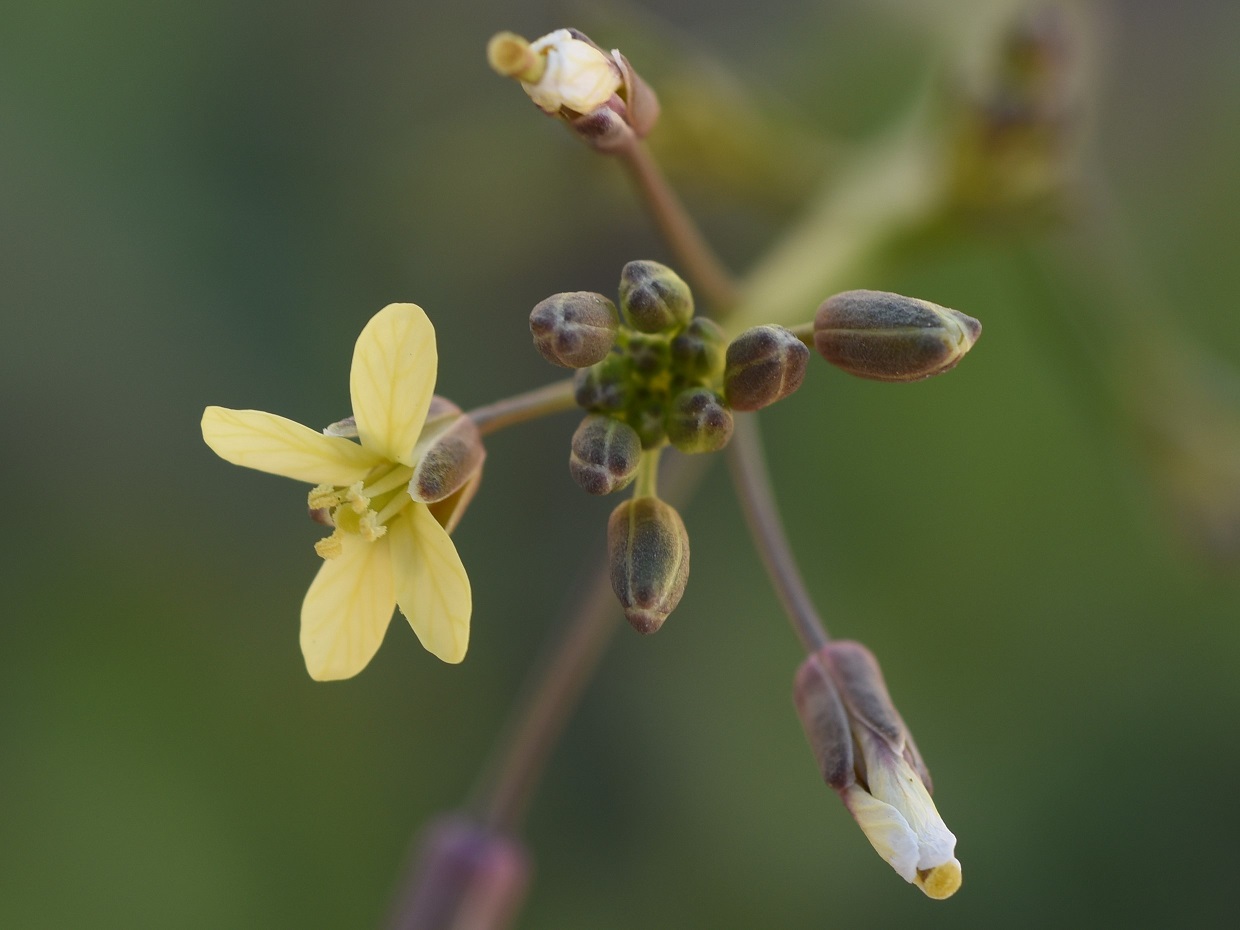
Biennial herb. First-year rosettes have kidney-shaped, scallop-edged leaves. Second-year plants 1-4 feet tall with triangular, sharply toothed leaves. Small white 4-petaled flowers. Distinctive garlic odor when crushed.
Control Methods
Hand-pull before seed set - the most effective method for small infestations. Bag and dispose of all plant material. Herbicide treatment in fall on rosettes.
Herbicide Recommendations
Glyphosate or triclopyr applied to rosettes in fall. Avoid treating near water without appropriate permits.
⚠️ Always read and follow pesticide label directions. Contact your county weed superintendent for site-specific recommendations. Permits may be required near water.
Need help managing this weed?
Skyline CWMA can connect you with technical assistance, cost-share programs, and licensed contractors for treatment on your property.